“I have been a client of Nulife's for several years. At 47 years old I feel and look as great as I did at 30! I have referred Nulife to many of my friends over the years and all of them are as happy as I am.”

Hitting a brick wall
with energy, focus
and performance?
Get physician-led hormone optimization that
actually monitors you.
Confidential consultation • Built for long-term success

Miami & Boca Raton | Physician-led concierge care
Hitting a brick wall
with energy, focus and
performance?
Get physician-led hormone optimization
that actually monitors you.
Confidential consultation • Built for long-term success


HORMONE THERAPY
Your energy is gone. Focus slipping. Weight won't budge. Sex drive plummeted. Your doctor said everything's "normal." But you don't feel normal.
What if feeling great
was your new normal?
1000+
Patients Optimized
12+
Years Of Experience
90%
Patients Success

Proactive
Monitoring
Most clinics check once. We monitor continuously. Catch issues early. Adjust precisely. Less guesswork. More results.

Education
First
No time limits. No jargon. We explain everything in plain English until you're confident. You'll leave knowing exactly what happens next.

Concierge
Care
Call your doctor. Text your doctor. Your patient care advisor anticipates needs and keeps your plan moving forward. No waiting weeks.
HORMONE THERAPY
Your energy is gone. Focus
slipping. Weight won't budge.
Sex drive plummeted. Your
doctor said everything's
"normal." But you don't feel
normal.

What if feeling great
was your new normal?
Proactive Monitoring
Most clinics check once. We monitor
continuously. Catch issues early.
Adjust precisely. Less guesswork.
More results.
Education First
No time limits. No jargon. We
explain everything in plain English
until you're confident. You'll leave
knowing exactly what happens
next.
Concierge Care
Call your doctor. Text your
doctor. Your patient care advisor
anticipates needs and keeps
your plan moving forward. No
waiting weeks.
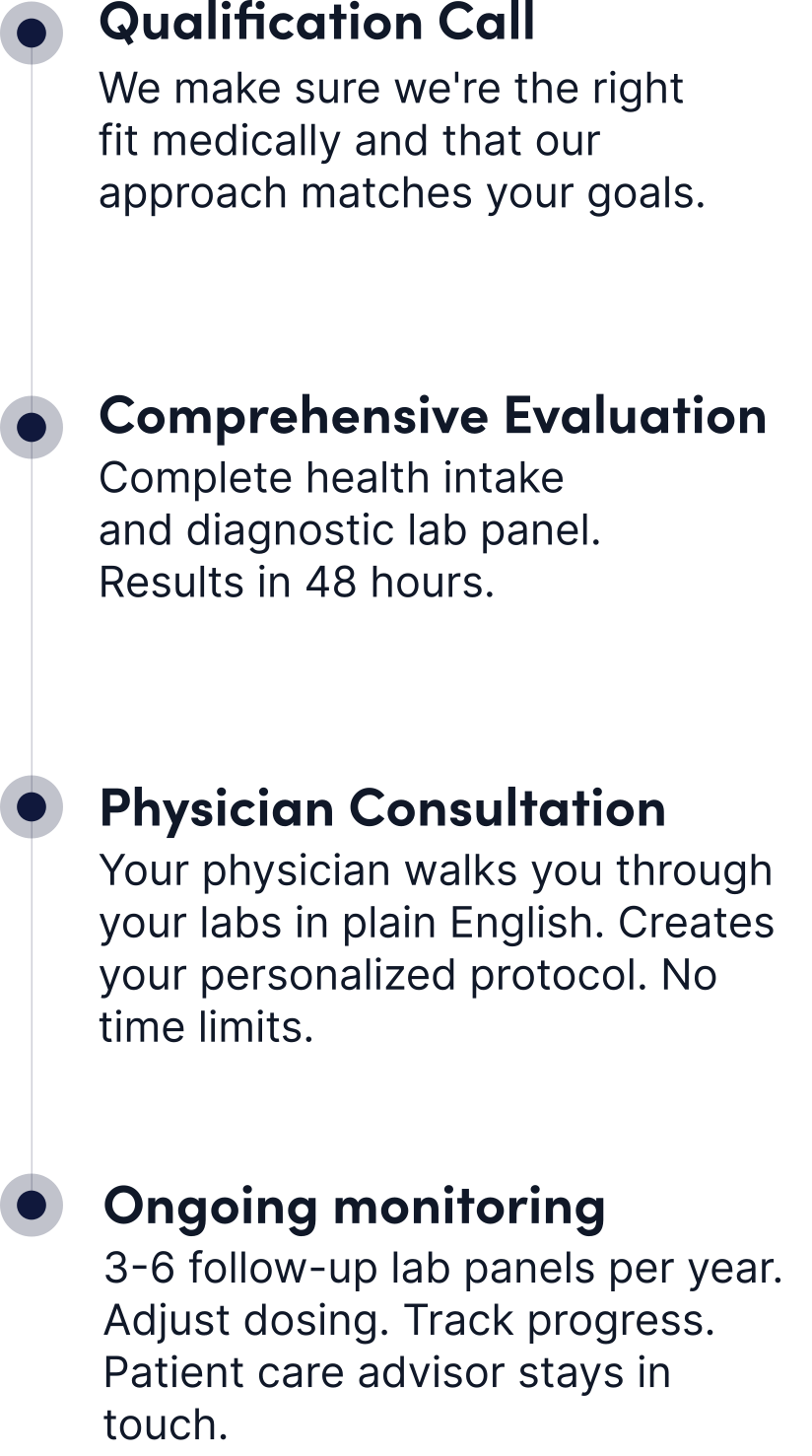
OUR 4-STEP PROCESS
Get started in days with
our simple 4-step process

Get started in days
with our simple 4-step
process
Ready to feel like
yourself again?
Join hundreds who've already transformed their performance and
vitality with physician-led care.
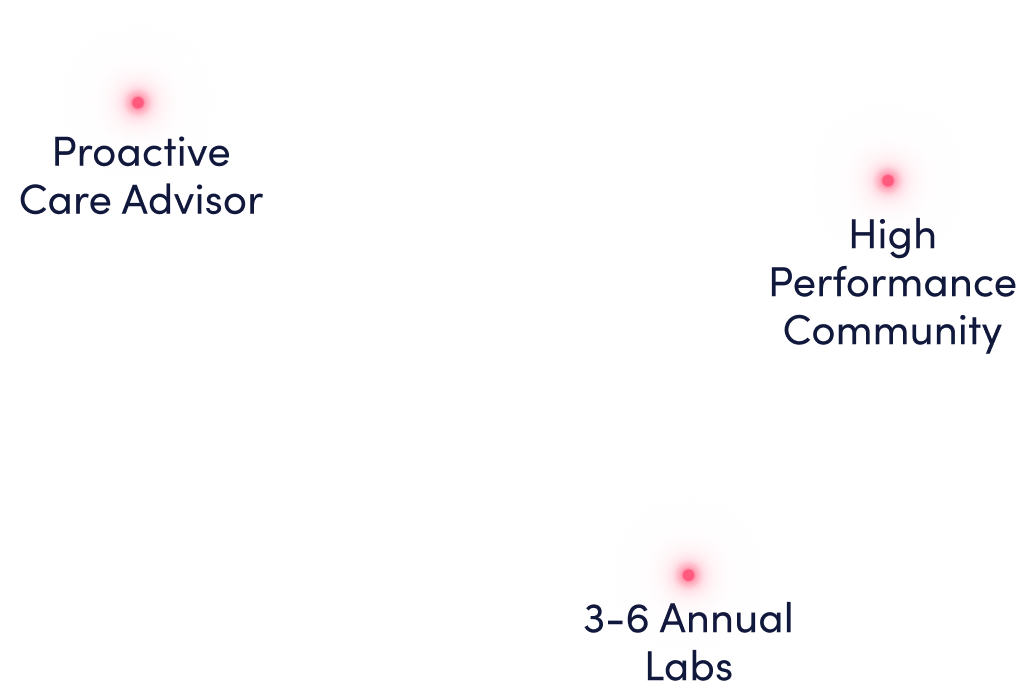
✓ Proactive Care Advisor ✓ 3-6 Annual Labs ✓ High Performance Community
THE DIFFERENCE
Men and women don't have the
same hormonal issues, so why would
we give you the same treatment?
Personalized protocols built for your biology.
Restore your edge
What we address:
✓ Low testosterone and declining performance
✓ Energy crashes and brain fog
✓ Weight gain and muscle loss
✓ Low libido and sexual dysfunction
✓ Sleep and mood issues
✓ Loss of strength and recovery
Hormones done right
What we address:
✓ Perimenopause and menopause symptoms
✓ Weight gain and stubborn fat
✓ Low energy and brain fog
✓ Mood swings and irritability
✓ Low libido and vaginal dryness
✓ Sleep disruption and hot flashes
Ready to feel like
yourself again?
Join hundreds who've already transformed their performance and vitality with physician-led care.
✓ Proactive Care Advisor ✓ 3-6 Annual Labs ✓ High Performance Community
THE DIFFERENCE
Men and women don't have the same hormonal issues, so why would we give you the same treatment?
Personalized protocols built for your biology.
Restore your edge
What we address:
✓ Low testosterone and declining performance
✓ Energy crashes and brain fog
✓ Weight gain and muscle loss
✓ Low libido and sexual dysfunction
✓ Sleep and mood issues
✓ Loss of strength and recovery
Hormones done right
What we address:
✓ Perimenopause and menopause symptoms
✓ Weight gain and stubborn fat
✓ Low energy and brain fog
✓ Mood swings and irritability
✓ Low libido and vaginal dryness
✓ Sleep disruption and hot flashes
TESTIMONIALS
Real results from real patients
“My life completely
changed thanks to
this treatment.”
Hormone
Kenneth | Age 45 | Aventura, FL
Ready to feel like yourself again?
TESTIMONIALS
Real results from
real patients
“My life completely
changed thanks to
this treatment.”
Hormone Therapy
Kenneth | Age 45 | Aventura, FL
Ready to feel like
yourself again?
Direct physician access
Most clinics make you wait weeks.
Most hand you off to assistants.
Most leave you guessing between
appointments. Not here.


Direct physician access
Most clinics make you wait weeks. Most hand you off to assistants. Most leave you guessing between appointments. Not here.
Physician-led hormone
optimization that actually
monitors you.
✓ Proactive Care Advisor ✓ 3-6 Annual Labs ✓ High Performance Community
Physician-led hormone
optimization that actually
monitors you.
✓ Proactive Care Advisor ✓ 3-6 Annual Labs ✓ High Performance Community
Frequently Asked Questions
Get answers to common questions about our personalized health optimization programs
What is age management medicine?
Age management medicine focuses on optimizing your health as you age, improving how you feel today while reducing your risk of serious conditions such as heart disease, diabetes, osteoporosis, cognitive decline, and certain cancers.
At its core, aging is closely tied to metabolism, and metabolism is largely regulated by hormones. Hormones act as messengers, directing how your cells, organs, and systems function every day. As hormone levels decline, often beginning in your 30s, metabolic efficiency decreases. This can lead to symptoms many people accept as “normal aging,” such as weight gain, fatigue, muscle loss, reduced mental clarity, and decreased sexual health.
Age management medicine is about addressing these changes proactively. By optimizing hormone balance and metabolic function, we aim to slow or even reverse many age-related declines and help you maintain strength, vitality, and long-term health.
Why choose NuLife Institute?
Our physicians specialize exclusively in age management and hormone optimization. We take the time to understand your health history, lifestyle, and goals, allowing us to create a highly personalized treatment plan designed for long-term success, not temporary fixes.
What is Low T?
Low T refers to low testosterone levels, a condition that commonly occurs as men age during a natural process called andropause. Testosterone plays a critical role in energy levels, muscle and bone health, sexual function, sleep quality, and overall well-being.
Low testosterone has also been linked to an increased risk of conditions such as diabetes and osteoporosis, and research shows that healthier testosterone levels are associated with improved longevity and quality of life. Because the symptoms of Low T can resemble depression or general aging, it is often underdiagnosed without proper testing.
My sex drive isn’t what it used to be. Could hormones be the cause?
Yes, hormone imbalances, particularly low testosterone, can significantly affect libido in both men and women. When hormone levels are optimized, many patients experience meaningful improvements in sexual desire, performance, and overall confidence. In our clinical experience, hormone optimization has been highly effective in addressing hormone-related sexual dysfunction.
Can hormone therapy help with sexual dysfunction?
Sexual dysfunction can have multiple causes, but hormonal imbalance is one of the most common and treatable factors. Restoring testosterone and other key hormones to healthy levels often improves libido, erectile function, and sexual satisfaction.
If additional support is needed, there are other medical options that can be explored in consultation with your physician. Treatment is always individualized based on your health profile and needs.
Can I increase my testosterone naturally without hormone supplementation?
In very mild cases, lifestyle changes such as regular exercise, improved nutrition, and stress management may help support testosterone levels. However, when levels are clinically low, these measures alone are often insufficient. Proper testing is the only way to determine whether hormone supplementation is appropriate.
How is testosterone supplemented?
Testosterone can be administered through injections or transdermal topical creams or gels. The method and dosage are customized based on your lab results, medical history, and lifestyle to ensure safe and effective treatment.
What is Human Growth Hormone (HGH) therapy?
Human Growth Hormone plays a vital role in tissue repair, muscle development, bone strength, metabolism, cognitive function, and overall vitality. HGH levels naturally decline beginning in early adulthood, often decreasing significantly by midlife.
When medically indicated, restoring HGH to healthy levels may help improve energy, body composition, cardiovascular health, skin quality, mental clarity, immune function, and recovery. Treatment is only considered after comprehensive testing confirms a deficiency.
Are there side effects to hormone therapy?
When properly prescribed and monitored, bioidentical hormone therapy has been shown to be both safe and effective. As with any medical treatment, potential side effects exist, which is why a comprehensive evaluation, including lab work and physical examination,is essential before starting therapy. At Nulife Institute we test 3-6X per year to closely monitor all patients.
Treatment is only initiated when medically appropriate, and ongoing monitoring ensures hormone levels remain within safe, optimal ranges.
How can hormone optimization help women?
Hormonal imbalances affect millions of women and can occur during perimenopause, menopause, or earlier stages of life. Symptoms may include hot flashes, night sweats, weight gain, fatigue, mood changes, sleep disturbances, and reduced sexual interest.
Bioidentical hormone therapy, when appropriately prescribed, can help alleviate these symptoms and support energy levels, mental clarity, bone health, and overall quality of life.
Can you use lab work completed by my doctor?
In some cases, recent lab work may be accepted if it meets our clinical requirements. However, our physicians typically perform a comprehensive diagnostic panel to ensure accuracy and to fully assess your current hormone levels before developing a personalized treatment plan.
What are bioidentical hormones?
Bioidentical hormones are derived from natural sources and are structurally identical to the hormones your body produces naturally. Because of this, they are metabolized more efficiently and are generally better tolerated than synthetic hormones.
Each treatment plan is custom-compounded based on your individual lab results, ensuring precision rather than a one-size-fits-all approach.
Can my regular doctor provide these treatments?
While many physicians are familiar with hormone replacement therapy, age management and bioidentical hormone optimization require specialized training. Our physicians are board-certified and trained specifically in age management medicine, with a focus on long-term health optimization rather than symptom suppression alone.
How do I know if I need hormone therapy?
The only reliable way to determine hormonal deficiencies or imbalances is through proper blood testing interpreted by an experienced specialist. From there, a personalized treatment plan can be developed based on your specific needs and goals.
How long will I need to stay on treatment?
Treatment duration varies from patient to patient. Hormone optimization is often a long-term commitment, as discontinuing therapy may allow hormone levels to return to pre-treatment levels. Your physician will review expectations and options with you in detail.
Can I apply for treatment online or over the phone?
For your safety and in accordance with medical regulations, all patients must be evaluated in person by a physician before beginning treatment.
Do you accept insurance?
To provide the highest level of personalized care without restrictions, treatments are not covered by insurance.
How much does treatment cost?
Costs vary based on your individual health profile, lab results, and treatment plan. Pricing is discussed transparently after your medical evaluation.
When will I start seeing results?
Many patients begin noticing improvements in energy, focus, mood, and overall well-being within four to six weeks, although timelines vary depending on individual response.
Frequently Asked Questions
Get answers to common questions about our personalized health optimization programs
What is age management medicine?
Age management medicine focuses on optimizing your health as you age, improving how you feel today while reducing your risk of serious conditions such as heart disease, diabetes, osteoporosis, cognitive decline, and certain cancers.
At its core, aging is closely tied to metabolism, and metabolism is largely regulated by hormones. Hormones act as messengers, directing how your cells, organs, and systems function every day. As hormone levels decline, often beginning in your 30s, metabolic efficiency decreases. This can lead to symptoms many people accept as “normal aging,” such as weight gain, fatigue, muscle loss, reduced mental clarity, and decreased sexual health.
Age management medicine is about addressing these changes proactively. By optimizing hormone balance and metabolic function, we aim to slow or even reverse many age-related declines and help you maintain strength, vitality, and long-term health.
Why choose NuLife Institute?
Our physicians specialize exclusively in age management and hormone optimization. We take the time to understand your health history, lifestyle, and goals, allowing us to create a highly personalized treatment plan designed for long-term success, not temporary fixes.
What is Low T?
Low T refers to low testosterone levels, a condition that commonly occurs as men age during a natural process called andropause. Testosterone plays a critical role in energy levels, muscle and bone health, sexual function, sleep quality, and overall well-being.
Low testosterone has also been linked to an increased risk of conditions such as diabetes and osteoporosis, and research shows that healthier testosterone levels are associated with improved longevity and quality of life. Because the symptoms of Low T can resemble depression or general aging, it is often underdiagnosed without proper testing.
My sex drive isn’t what it used to be. Could hormones be the cause?
Yes, hormone imbalances, particularly low testosterone, can significantly affect libido in both men and women. When hormone levels are optimized, many patients experience meaningful improvements in sexual desire, performance, and overall confidence. In our clinical experience, hormone optimization has been highly effective in addressing hormone-related sexual dysfunction.
Can hormone therapy help with sexual dysfunction?
Sexual dysfunction can have multiple causes, but hormonal imbalance is one of the most common and treatable factors. Restoring testosterone and other key hormones to healthy levels often improves libido, erectile function, and sexual satisfaction.
If additional support is needed, there are other medical options that can be explored in consultation with your physician. Treatment is always individualized based on your health profile and needs.
Can I increase my testosterone naturally without hormone supplementation?
In very mild cases, lifestyle changes such as regular exercise, improved nutrition, and stress management may help support testosterone levels. However, when levels are clinically low, these measures alone are often insufficient. Proper testing is the only way to determine whether hormone supplementation is appropriate.
How is testosterone supplemented?
Testosterone can be administered through injections or transdermal topical creams or gels. The method and dosage are customized based on your lab results, medical history, and lifestyle to ensure safe and effective treatment.
What is Human Growth Hormone (HGH) therapy?
Human Growth Hormone plays a vital role in tissue repair, muscle development, bone strength, metabolism, cognitive function, and overall vitality. HGH levels naturally decline beginning in early adulthood, often decreasing significantly by midlife.
When medically indicated, restoring HGH to healthy levels may help improve energy, body composition, cardiovascular health, skin quality, mental clarity, immune function, and recovery. Treatment is only considered after comprehensive testing confirms a deficiency.
Are there side effects to hormone therapy?
When properly prescribed and monitored, bioidentical hormone therapy has been shown to be both safe and effective. As with any medical treatment, potential side effects exist, which is why a comprehensive evaluation, including lab work and physical examination,is essential before starting therapy. At Nulife Institute we test 3-6X per year to closely monitor all patients.
Treatment is only initiated when medically appropriate, and ongoing monitoring ensures hormone levels remain within safe, optimal ranges.
How can hormone optimization help women?
Hormonal imbalances affect millions of women and can occur during perimenopause, menopause, or earlier stages of life. Symptoms may include hot flashes, night sweats, weight gain, fatigue, mood changes, sleep disturbances, and reduced sexual interest.
Bioidentical hormone therapy, when appropriately prescribed, can help alleviate these symptoms and support energy levels, mental clarity, bone health, and overall quality of life.
Can you use lab work completed by my doctor?
In some cases, recent lab work may be accepted if it meets our clinical requirements. However, our physicians typically perform a comprehensive diagnostic panel to ensure accuracy and to fully assess your current hormone levels before developing a personalized treatment plan.
What are bioidentical hormones?
Bioidentical hormones are derived from natural sources and are structurally identical to the hormones your body produces naturally. Because of this, they are metabolized more efficiently and are generally better tolerated than synthetic hormones.
Each treatment plan is custom-compounded based on your individual lab results, ensuring precision rather than a one-size-fits-all approach.
Can my regular doctor provide these treatments?
While many physicians are familiar with hormone replacement therapy, age management and bioidentical hormone optimization require specialized training. Our physicians are board-certified and trained specifically in age management medicine, with a focus on long-term health optimization rather than symptom suppression alone.
How do I know if I need hormone therapy?
The only reliable way to determine hormonal deficiencies or imbalances is through proper blood testing interpreted by an experienced specialist. From there, a personalized treatment plan can be developed based on your specific needs and goals.
How long will I need to stay on treatment?
Treatment duration varies from patient to patient. Hormone optimization is often a long-term commitment, as discontinuing therapy may allow hormone levels to return to pre-treatment levels. Your physician will review expectations and options with you in detail.
Can I apply for treatment online or over the phone?
For your safety and in accordance with medical regulations, all patients must be evaluated in person by a physician before beginning treatment.
Do you accept insurance?
To provide the highest level of personalized care without restrictions, treatments are not covered by insurance.
How much does treatment cost?
Costs vary based on your individual health profile, lab results, and treatment plan. Pricing is discussed transparently after your medical evaluation.
When will I start seeing results?
Many patients begin noticing improvements in energy, focus, mood, and overall well-being within four to six weeks, although timelines vary depending on individual response.